Regulatory & Safety
Are Kava Extracts Safe? What the Evidence Says
14 min read
Read
Why the sober-curious shift created a category kava is unusually well suited to — and what it takes to build for it
The non-alcoholic drinks category spent a decade producing things that taste like alcohol without doing anything. That was always a partial answer. What a substantial share of the market was actually after was not the flavour of a drink but its function — the shift in state that marks the end of the working day, and the social permission structure that comes with holding a glass.
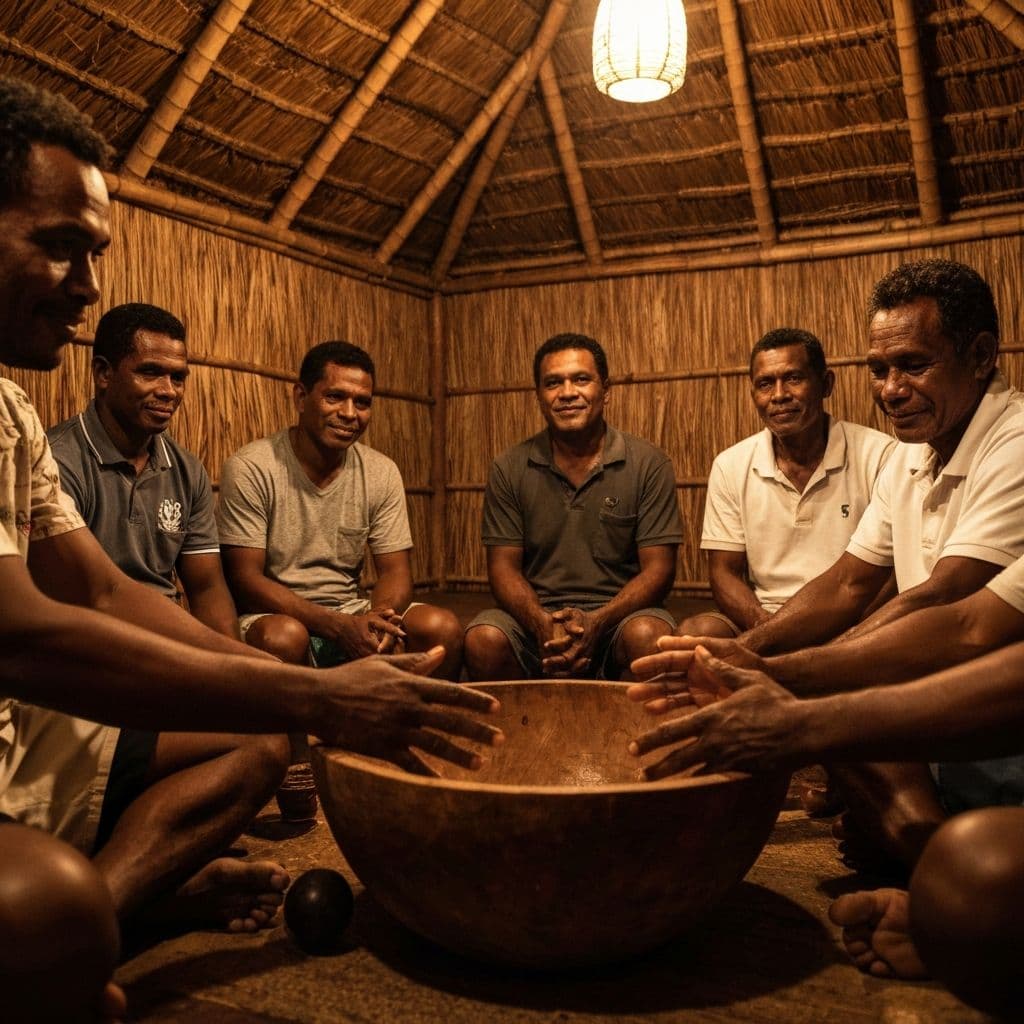
Kava does that. It has done it for three thousand years in the Pacific, in exactly the social setting — a shared bowl, a communal space, a marked transition into evening — that Western drinking culture organises itself around. This is the strategic reason kava has moved from a niche supplement ingredient into a beverage category, and it is why the buyers we speak with have changed.
Key takeaway: Kava's fit with the alcohol-alternative category is functional and social, not just compositional — it substitutes for what drinking is for, which most non-alcoholic products do not. The commercial implication is that format selection follows channel: traditional grind for kava bars, instant powder for water-based RTD in regulated markets, nano liquid for shots and functional beverages, oleoresin and nano powder for capsules and edibles. The binding constraint is regulatory, not technical — kava's permitted product form varies sharply by market, and it should be the first input into product design rather than a compliance check at the end.
The alcohol-alternative market is usually framed around abstention: people drinking less, for health, cost, or generational-preference reasons. That framing is accurate and it is commercially incomplete, because it describes what people are removing rather than what they are looking to replace.
Alcohol performs several jobs at once. It produces a reliable change in state. It marks a boundary between work and rest. It lubricates social interaction, and it gives people something to hold and something to order. A zero-proof spirit replicates the ritual and the flavour but not the first job, which is why so much of the category has struggled to build repeat purchase — a product that solves only the social-signalling problem gets bought once.
Kava's differentiator is that it addresses the functional job as well as the social one, and it does so through a plant with a long-established tradition of communal use. That combination is unusual in the category.
The commercial consequence is that kava products compete less with non-alcoholic beer and more with the broader functional-relaxation set — and that consumers arriving from an alcohol-replacement motive have quite different expectations from consumers arriving from a supplement motive. They expect an experience with a defined onset, a social format, and a serving ritual. That should shape product design.
Four channels are absorbing kava volume, and they want materially different things from a supplier.
The kava bar has been the category's beachhead in the United States, and its economics are specific. A bar is buying by the kilogram, preparing on site, and serving shells at a price point that has to work against both labour and the cost of the root.
What kava bars care about: consistency batch to batch, because their regulars notice; a fine, even grind that strains efficiently and leaves less kavalactone content in the makas; and price stability, because they cannot reprice a shell every time farmgate moves. What they are less interested in is potency maximisation — a bar serving customers across a whole evening often wants a moderate, sessionable profile rather than the strongest available material.
Traditional grind is the format, and the choice between Fijian and Vanuatuan material is usually about profile: Vanuatuan cultivars run higher in kavalactone content with a bolder, earthier character, while Fijian material tends toward a smoother profile suited to longer sessions. Our Fiji vs. Vanuatu comparison covers the distinction in detail.
The economics are worth modelling explicitly. At a 300 mg kavalactone target, root powder is the cheapest ingredient per serve of any format — but it carries a preparation labour cost no other format does, plus the kavalactones left behind in the spent root. Our cost per serve calculator handles the ingredient side; the labour side is a per-venue calculation.
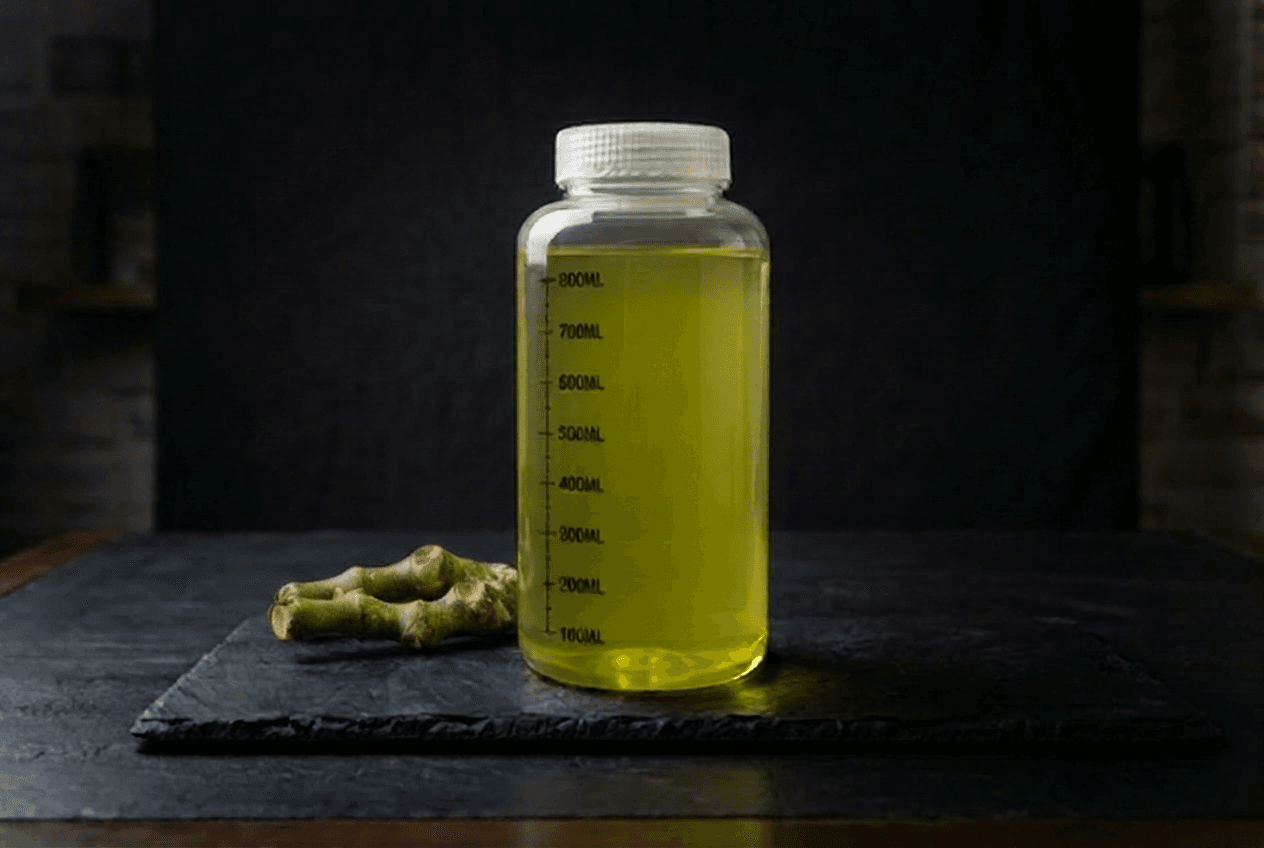
A growing number of bars now want more than shell service — cocktails, elixirs and signature serves built on a menu rather than a bowl. There are two routes. The nano-emulsified formats give the precise, repeatable dosing a mixed drink needs and full control of the recipe, which is exactly what a bar building a bespoke cocktail list wants. They come with a workflow: nano liquid keeps refrigerated once opened, and both formats need accurate measurement at serve level. For a venue set up for that, it is routine.
The route most venues overlook is buying the finished product wholesale. A bottled kava spirit carries a known kavalactone content per measure, so dosing is a pour rather than a calculation, and at current wholesale rates it works out at a lower cost per serve than either nano format. Neither route is the right answer for every venue — it depends whether the programme is built around bespoke recipes or around adding kava serves without a formulation process. Our kava bar solutions page covers the three service models side by side.
This is where the volume growth is, and it is the channel most constrained by regulation.
A shelf-stable canned or bottled kava drink has to solve three problems the kava bar does not: dose consistency across a production run, sensory acceptability without the ritual context that makes traditional kava's taste tolerable, and a distribution model where nobody explains the product at the point of sale.
Format selection follows from the batch process. Nano liquid meters directly into a batch tank with no dispersion step, which removes the main source of dose variability in beverage production. Instant powder suits water-based preparations where a more traditional compositional profile is wanted — and, importantly, is the format that fits regulatory frameworks requiring water-based preparation. For how these formats compare across the full range, see kava powder, oleoresin, or nano.
A smaller-format, higher-dose product sold through convenience, smoke shops, and increasingly mainstream retail. Commercially attractive — high margin, low freight cost per unit — and the segment where clear labelling does the most work for a brand, because the retail shelf gives you no opportunity to explain the product the way a kava bar can.
For suppliers and brands, this is the channel where dose transparency matters most. A shot carrying a clear per-serve kavalactone figure gives the consumer something to judge, the retailer something to stand behind, and the brand a reason to be chosen again. See kavalactone dosing for formulators.
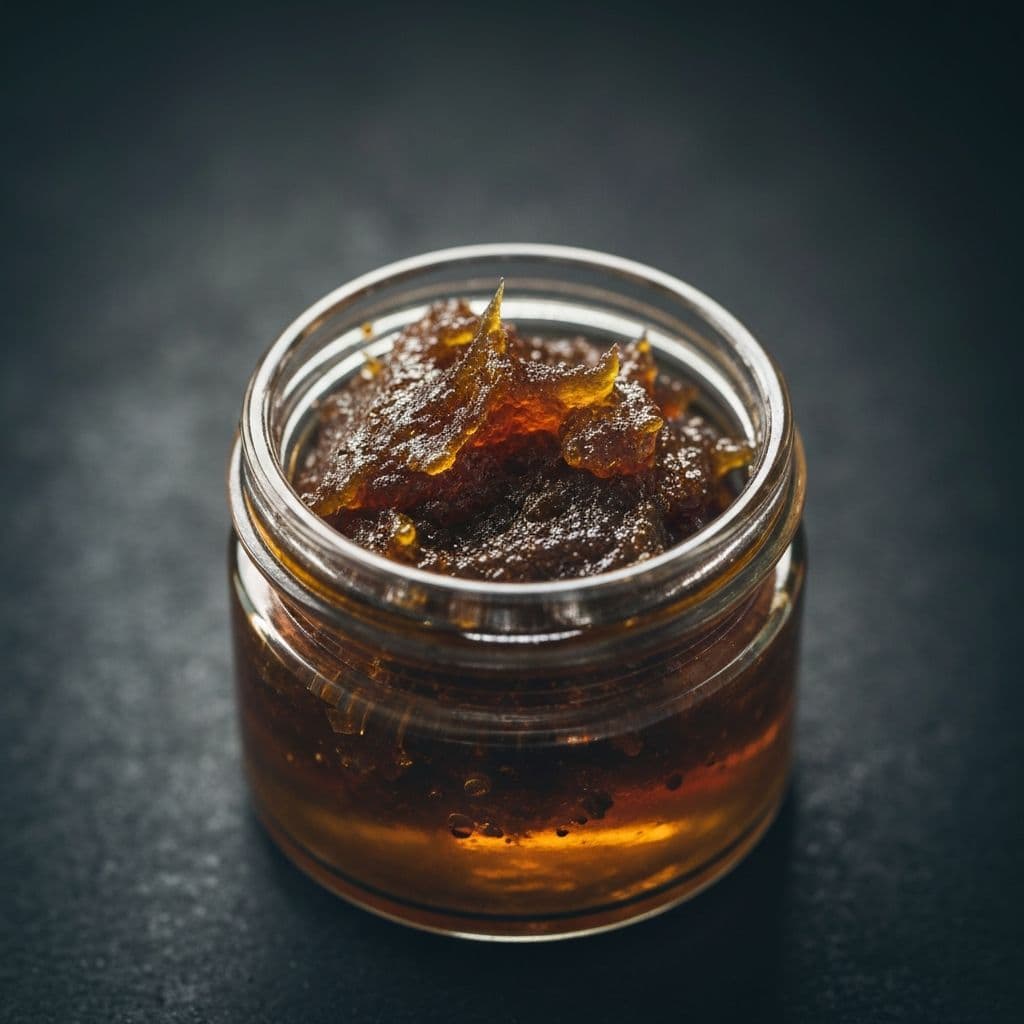
The supplement-adjacent channel, and the one least connected to the alcohol-replacement motive. Buyers here are typically building stacks around relaxation or sleep positioning, and are looking for high-concentration formats with small inclusion rates: oleoresin or nano powder.
The most common strategic error we see is a brand designing a product and then investigating whether it can sell it. For kava the sequence has to run the other way, because permitted product form varies more sharply by market than for almost any comparable botanical.
| Market | Framework | Practical effect on product form |
|---|---|---|
| United States | DSHEA dietary supplement pathway; FDA 2002 consumer advisory in force | Broad format latitude; advisory shapes claims and labelling posture |
| Australia | FSANZ Standard 1.4.4; 2021 commercial import framework | Water-based preparations; extract formats restricted |
| New Zealand | FSANZ Standard 1.4.4; MPI import requirements | Comparable water-based orientation |
| European Union | Member-state patchwork following the 2002 actions | Varies by country; requires per-market assessment |
| Fiji / Vanuatu (export) | Fiji Kava Bill (2022); Vanuatu Kava Act | Noble cultivars only; governs what can legally leave origin |
The pattern across these frameworks is consistent with the evidence base: regulators have converged on controlling raw material and preparation method rather than prohibiting the plant. A brand that builds a water-based, noble-only, root-only product has the widest available market access. A brand that builds a solvent-extracted concentrate has a narrower one, and needs to know which markets it has foreclosed before tooling up. Our article on kava extract safety covers the evidence behind those distinctions.
Three positioning decisions recur, and each has a wrong answer that is tempting.
Do not position against alcohol on intoxication. Framing kava as "a legal high" or comparing effects to being drunk misdescribes the product, and sets an expectation kava will not meet. The durable positioning is relaxation, social ritual, and the absence of a hangover — attributes that are true and that map to what the alcohol-alternative consumer is buying.
Do not hide the tradition. Kava's Pacific origin is the strongest authenticity asset in the category, and it is a genuine one. Brands that abstract it into generic wellness language discard a differentiator that competitors in adjacent functional categories cannot manufacture. Provenance, cultivar, and origin are marketable specifics — which is why supply chain transparency has commercial value beyond compliance.
Do not compete on strength alone. The segment of the market chasing maximum potency is small, price-sensitive, and the most likely to attract regulatory scrutiny. The alcohol-replacement consumer is looking for a reliable, moderate, repeatable experience — closer to a glass of wine than a spirit measure.
If you are building for this category, four sourcing requirements follow from the analysis above.
Kava's position in the alcohol-alternative market rests on something structural rather than trend-driven: it is one of very few botanicals with a documented multi-millennium tradition of communal, ritualised, recreational-but-not-intoxicating use. That is precisely the behaviour pattern Western consumers are trying to reconstruct without alcohol.
The constraints on the category are equally structural. Supply cannot respond quickly to demand. Regulation is fragmented and shaped by a specific historical episode. And the category's reputation is held in common: a consumer's early experiences shape how they see kava as a whole, so clear labelling and consistent dosing lift every brand, not only the one that adopts them.
Both of those argue for the same thing: building on verified noble raw material, with per-batch documentation, honest dose labelling, and positioning that does not overclaim. The brands doing that are the ones we expect to still be here when the category settles.
If you are developing a product for this market, our product range covers every format discussed here, and the cost per serve calculator will let you model the ingredient economics before you commit to a format.
This article is a commercial market analysis for B2B buyers. It is not medical, legal or regulatory advice, and makes no health claim about kava. Regulatory positions summarised here change; confirm current requirements for your destination market with qualified advisers before importing or formulating.
Continue exploring kava industry insights

Experience the Kavain difference. Request a sample today and discover why leading formulators trust us for their kava supply.